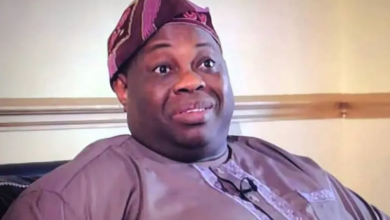
2027: Obi is the only person that matters in ADC — Fayose
Former Ekiti State Governor Ayo Fayose has issued a stern warning to the African Democratic Congress (ADC), suggesting the party risks political extinction if it does not field Peter Obi as its 2027 presidential candidate. Speaking during an exclusive interview on Arise Television on Monday, January 12, 2026, Fayose described the former Anambra State Governor as the primary source of “traction” for the party. He argued that without Obi’s presence on the ballot, the ADC’s relevance in the next general election would be non-existent.
Fayose was blunt in his assessment of the current members of the ADC, characterizing many as “spent forces” who lack the national appeal to win a major election. While acknowledging that the party consists of many individuals, he insisted that none possess the magnetic pull required to challenge the status quo. “Peter Obi is the life in ADC,” Fayose said, adding, “I didn’t say there are no other human beings in ADC. I’m saying others are largely spent forces.”
The former governor pointed to the 2023 elections as evidence of the “Obi factor,” noting how the Labour Party was transformed from a fringe group into a major contender almost overnight. He highlighted that many candidates won seats in the House of Representatives solely because they ran on the same ticket as Obi. Fayose stressed that Obi’s influence is so potent that he could move to a virtually unknown party like “Accord” and instantly make it a national talking point.
During the interview, Fayose clarified that his comments were not a prediction of whether Obi would actually win the presidency in 2027. Instead, his focus was on the survival of the party structure itself. He maintained that Obi is currently the “only factor” that gives the ADC any meaning in the eyes of the electorate. “Obi is the only traction, Obi is the only meaning, Obi is the only factor,” he reiterated during the broadcast.
The PDP chieftain warned that the ADC’s decision-makers must recognize that their recent merger efforts would be wasted if Obi is sidelined. He suggested that failing to present the former governor as the face of the party would lead to an electoral outcome worse than if they had never come together at all. “But I’m telling you, even if they don’t field Obi, if ADC fails to field Obi, their case will be worse than their coming together,” Fayose warned.
These remarks come at a time of significant realignment within Nigeria’s opposition, following Obi’s high-profile exit from the Labour Party and his subsequent move to the ADC. Fayose’s analysis suggests that the ADC has effectively inherited a ready-made movement, but one that is tied strictly to the personality of its leader rather than the party’s own brand. This dependency, he argues, makes Obi indispensable to the party’s 2027 strategy.
Fayose concluded by emphasizing that the political landscape has shifted to a point where voters are following individuals rather than traditional party platforms. By positioning Obi as the centerpiece of his argument, Fayose has added to the growing pressure on the ADC leadership to consolidate around the “Obidient” movement. As the 2027 race approaches, all eyes remain on the ADC to see if they will heed this advice or attempt to field a different candidate.