Tinubu Replaces Regulatory Chiefs Amid Dangote Dispute and Calls for Probe
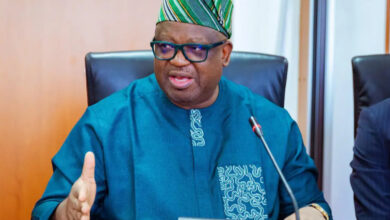
In a dramatic shake-up of Nigeria’s energy sector, President Bola Tinubu has announced the sudden “resignations” of Farouk Ahmed, CEO of the NMDPRA, and Gbenga Komolafe, CEO of the NUPRC. Both officials, appointed in 2021 under the Petroleum Industry Act, were not due to finish their terms until next year. To fill the vacuum, the Presidency has nominated industry veterans Saidu Aliyu Mohammed and Oritsemeyiwa Eyesan to take over the downstream and upstream regulatory bodies, respectively.
The exit of Farouk Ahmed is particularly charged, coming immediately after a closed-door meeting at the State House following a fierce public feud with billionaire industrialist Aliko Dangote. Dangote has leveled explosive allegations against the former regulator, accusing the agency of economic sabotage by favoring imported fuel over local production. He further personalizing the dispute by alleging that Ahmed’s lifestyle, including multimillion-dollar Swiss schooling for his children, far exceeded his legitimate income.
While the NUPRC chief, Gbenga Komolafe, leaves behind a record of significant growth—including a surge in drilling rig counts from 8 to nearly 70—the nature of these departures has sparked a demand for accountability. The Nigerian Bar Association (NBA) has insisted that mere resignation is not enough. NBA President Afam Osigwe argues that letting high-profile officials exit quietly without investigating claims of forgery and false asset declarations only entrenches a culture of impunity and weakens national institutions.
On the economic front, legal experts like Olisa Agbakoba warn that this crisis is about more than just a regulatory spat; it is a battle for Nigeria’s economic sovereignty. Agbakoba pointed out the “striking paradox” of Nigeria possessing world-class refining capacity via the $20 billion Dangote refinery while the government continues to issue import licenses. He argues that this “Contract Oil” model, which exports raw crude and imports expensive fuel, undermines the constitutional mandate to manage resources for the welfare of citizens.
The new nominees bring decades of experience from the NNPC to the table. Oritsemeyiwa Eyesan, an economist with a 33-year career, is slated to lead the upstream sector, while Saidu Mohammed, a chemical engineer and former director at various gas and refining subsidiaries, is tapped for the downstream role. The presidency has urged the Senate to expedite their confirmations to stabilize a sector currently defined by high-stakes litigation and domestic refining hurdles.
Ultimately, this leadership swap marks a pivotal moment for Nigeria’s oil and gas future. As the government attempts to pivot from a dependence on imports to a “Development Oil” model similar to Saudi Arabia’s, the success of these new chiefs will depend on their ability to restore transparency and bridge the gap between the state and private refiners. Whether these appointments lead to true reform or simply a change in personnel remains to be seen as the ICPC and other bodies face pressure to investigate the outgoing leadership